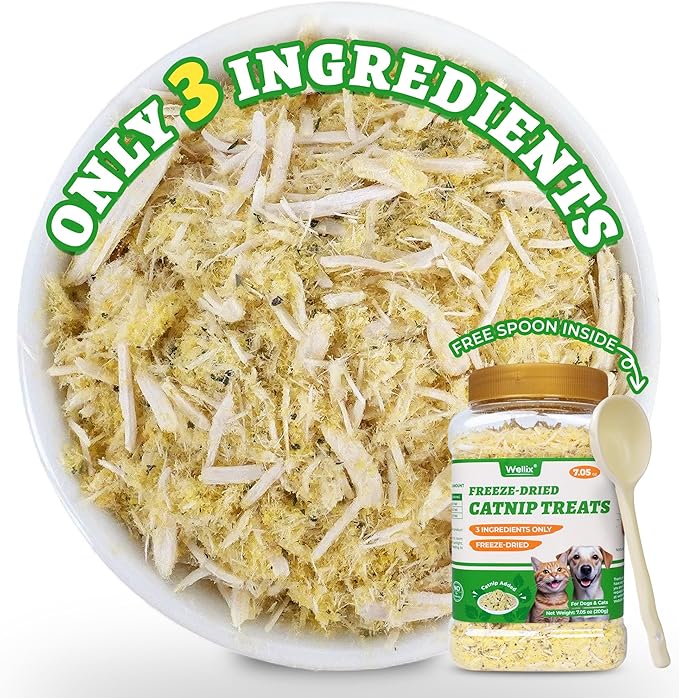
Wellix Cat Food Topper with Cat Grass – Freeze-Dried Chicken & Egg Yolk, 7.05 oz

Why Is My Cat So Picky About Food? 8 Ways to Help
From food texture and feeding routines to freeze-dried toppers, discover practical ways to make your cat's meals more appealing without overlooking important health signs.
Why is my cat so picky about food?
Cats may be picky about food because of its smell, texture, temperature, unfamiliar ingredients, or the environment where they eat. Some cats develop strong food preferences, while others become hesitant after a sudden diet change. However, a new loss of appetite can also be a sign of dental pain, nausea, stress, or illness. For an otherwise healthy picky eater, a consistent routine, suitable textures, and a small amount of cat food topper may make meals more appealing. [1, 2, 3]
You open a fresh bag of food, pour it into your cat's favorite bowl, and watch your furry companion walk over, sniff twice, and leave without eating.
Sound familiar? For many cat parents, figuring out what to feed a picky cat is more frustrating than expected. A food your cat loved last month might suddenly become uninteresting. Some cats demand a specific texture, while others seem to prefer anything except the meal you prepared.
The good news is that food preferences can often be managed with thoughtful feeding habits. The key is understanding the difference between ordinary pickiness and a possible medical problem.
Key Takeaways
Smell and Texture Matter
Cats can have strong preferences for food aromas, textures, temperatures, and familiar meals.
Small Changes Can Help
A quiet feeding space, fresh food, gradual transitions, and suitable toppers can improve mealtime appeal.
Sudden Refusal Is Different
A cat that suddenly stops eating needs medical attention, not just a more flavorful meal.
1. Why Are Some Cats Picky Eaters?
A cat's willingness to eat involves much more than the taste of food. Smell, mouthfeel, environment, previous experiences, and health can all influence food acceptance.
Smell and Aroma
A food's scent is an important part of its appeal. Some cats are more interested in aromatic foods, while others may reject meals that smell different from what they know.
Food Texture
Some cats prefer crunchy kibble. Others favor soft pieces, shredded meat, or smooth wet food. A cat may accept one texture while refusing another.
Unfamiliar Foods
An abrupt change in brand, recipe, or texture can make a cautious cat hesitant. Gradual introductions may improve acceptance.
Feeding Environment
Loud noises, nearby litter boxes, dirty bowls, or competition with other pets can make meals less comfortable.
Stress or Routine Changes
Moving homes, a new pet, altered schedules, or other disruptions may affect appetite and feeding habits.
Possible Medical Problems
Dental disease, nausea, nasal congestion, digestive disorders, and other conditions can look like picky eating. A noticeable change deserves attention.
Food Preferences Are Not Always About Flavor
Cornell University's Feline Health Center notes that noise, heavy activity, dirty food containers, nearby litter boxes, and other animals can discourage cats from eating. A comfortable feeding area can therefore be an important part of improving mealtime.
What this means: Before buying another food, check whether your cat feels safe and comfortable while eating. Cornell Feline Health Center
2. Is It Pickiness or a Health Problem?

It is important to separate a cat with long-standing food preferences from a cat that has suddenly lost its appetite.
A healthy cat that occasionally rejects a familiar food may simply have a preference or feeding-routine issue. But sudden refusal to eat, weight loss, or other symptoms should never be dismissed as ordinary pickiness.
| What You Notice | Possible Explanation | Recommended Action |
|---|---|---|
| Your cat prefers one texture but eats adequate food overall | Established food preference | Try suitable textures and maintain a balanced feeding plan. |
| Your cat avoids food when other pets are nearby | Feeding-area stress or competition | Offer meals in a quieter separate space. |
| Your cat suddenly refuses a previously accepted meal | Possible illness, pain, or another significant change | Contact your veterinarian, especially if intake is reduced or stops. |
| Drooling, difficulty chewing, or dropping food | Possible dental or mouth pain | Arrange veterinary evaluation rather than only changing food. |
| Vomiting, lethargy, or unexplained weight loss | Possible underlying medical condition | Seek prompt veterinary care. |
| No food eaten for approximately 24 hours | Risk of serious complications | Seek urgent veterinary care. Kittens and medically vulnerable cats may need help much sooner. |
3. 8 Ways to Help a Picky Cat Eat
If your cat has been assessed as healthy but remains selective, these eight practical approaches can make mealtime more appealing.
Serve Food in a Quiet Space
Choose a calm location away from litter boxes, busy hallways, and household disturbances. In multi-cat homes, consider separate feeding spaces.
Try a Different Food Texture
If your cat turns away from smooth pâté, it may prefer shredded pieces or crunchy kibble. Experiment thoughtfully while maintaining complete nutrition.
Gently Warm Suitable Food
Slightly warming wet food or adding a little warm water to dry food may bring out its aroma. Always check that food is comfortably cool before serving.
Introduce New Foods Gradually
Offer small amounts of unfamiliar food alongside familiar meals and transition gradually. Some picky cats need extra time to accept new textures or flavors.
Keep Bowls and Food Fresh
Wash food bowls regularly and replace stale leftovers. A shallow, comfortable bowl may also be worth trying if your cat dislikes its current dish.
Use Small Portions and a Routine
Serve measured portions at predictable times. Avoid allowing treats to replace most of your cat's daily food. Monitor how much is actually eaten.
Add a Small Amount of Food Topper
A suitable topper can add aroma, flavor, and texture to regular cat food. Start with a small amount and keep the overall diet nutritionally balanced.
Make Feeding More Engaging
For healthy cats, puzzle feeders and play sessions before meals may support natural feeding behavior. Keep the experience relaxed and positive.
Small Feeding Changes Are Better Than Pressure
VCA Animal Hospitals recommends measured feeding routines, suitable environmental enrichment, and sparing use of palatable food toppers for healthy picky eaters. Cornell also advises paying attention to feeding environments and maintaining appropriate overall nutrition.
Key principle: Encourage eating without pressuring your cat, suddenly removing familiar foods, or relying on large quantities of treats. VCA Animal Hospitals
4. What Are Cat Food Toppers, and Can They Help Picky Eaters?

A cat food topper is an additional food ingredient or complementary product served over a cat's usual meal. It can add a new aroma, flavor, texture, or moisture to familiar food.
For an otherwise healthy picky eater cat, a small amount of topper may make regular food more interesting without requiring a complete diet change.
Why Freeze-Dried Cat Toppers Are Popular
Freeze-dried cat toppers provide a convenient way to add pieces or shreds of animal ingredients to regular meals. Depending on the product, they may be served dry or mixed with water for a softer texture.
More Appealing Smell
Savory animal ingredients can add a different aroma to familiar cat food.
A Different Mouthfeel
Shredded, flaky, or softened toppers create a different mealtime experience.
Small Meal Upgrade
A little topper can be added to existing food without replacing the entire meal.
Keep Toppers and Treats to a Small Share of Daily Calories
Unless a product is specifically labeled as complete and balanced for your cat's life stage, it should not replace a nutritionally complete diet.
Veterinary guidance generally recommends keeping the combined calories from toppers and treats to no more than 10% of your cat's daily calorie intake. The remaining calories should come from complete and balanced food. Check the topper's calorie information rather than estimating portions by appearance alone. [3, 4]
Remember that toppers are a feeding tool, not a guaranteed solution for every picky eater. If your cat is losing weight or refusing food, veterinary evaluation comes first.
5. How to Choose a Cat Food Topper for Picky Eaters
Not all cat food toppers serve the same purpose. Some mainly add flavor, while others change texture or moisture. The best choice depends on your cat's preferences, dietary needs, and health.
| Topper Type | Main Benefit | Things to Consider |
|---|---|---|
| Freeze-dried chicken or other meat toppers | Adds savory aroma, flavor, and a different texture | Check ingredients, calories, serving guidance, and whether the product is cooked or made from raw meat. |
| Soft or shredded food toppers | Provides a softer, moist texture | Refrigerate or discard leftovers according to package directions. |
| Cat-safe broths or liquid toppers | Adds moisture and aroma | Avoid onion, garlic, excessive sodium, and other unsuitable ingredients. |
| Food with a small amount of warm water | Softens kibble and may enhance food aroma | Serve at a safe temperature and discard uneaten moistened food promptly. |
What Should You Look for on the Label?
Clear Ingredients
Look for a straightforward ingredient list and avoid products containing ingredients unsuitable for cats.
Calorie Information
Calculate how the topper fits into your cat's daily energy intake, especially if your cat needs weight management.
Serving Directions
Follow the manufacturer's suggested preparation, storage, and feeding instructions.
Suitability for Your Cat
Consider known food allergies, dietary restrictions, and any veterinarian- prescribed diet.
6. Make Mealtime More Appealing With Wellix Cat Food Topper
For cat parents looking for a simple way to add more savory flavor and texture to everyday meals, Wellix Cat Food Topper with Cat Grass offers a freeze-dried chicken and egg yolk recipe designed for easy serving.
Wellix Cat Food Topper with Cat Grass – Freeze-Dried Chicken & Egg Yolk
A light, shredded freeze-dried topper made with chicken, egg yolk, and cat grass. Sprinkle over regular food to add a new flavor and texture, or mix with water for a softer feeding option.
Freeze-dried chicken, egg yolk, and cat grass in the Cat Grass recipe.
A protein-rich addition that brings chicken flavor to regular meals.
Includes a plant-based ingredient as part of the simple recipe.
Adds a different eating experience to familiar food.
Sprinkle over food, mix with water, or offer a small amount as a snack.
Comes with a convenient serving spoon.
Three Easy Ways to Serve
Sprinkle Over Food
Add a small amount over your cat's regular balanced meal.
Mix With Water
Prepare a softer texture using water according to the product instructions.
Offer as a Snack
Serve a small portion separately as an occasional complementary treat.
Keep Meals Balanced
Include topper calories in your cat's daily feeding plan and do not replace complete meals.
Ingredients: Freeze-dried chicken, egg yolk, cat grass.
Guaranteed Analysis: Crude Protein 40.0% min., Crude Fat 3.0% min., Crude Fiber 9.0% max., Ash 10.0% max., Moisture 10.0% max.
This product is intended as a food topper or complementary snack. It is not a treatment for appetite loss caused by illness. A maximum crude fiber value does not indicate the exact fiber content in every serving.
Explore Wellix Cat Food Topper7. A Simple Mealtime Routine for Picky Cats
Improving food acceptance is not always about finding a single perfect product. Consistency and careful observation can make a big difference.
| Step | What to Do | What to Watch |
|---|---|---|
| Before the meal | Offer food in a calm, clean feeding area. | Whether your cat approaches the bowl comfortably. |
| When serving | Use a measured portion of a complete and balanced cat food. | How much food your cat actually eats. |
| For added appeal | If appropriate, try a small amount of topper. | Whether the new flavor or texture improves acceptance. |
| After the meal | Remove perishable leftovers promptly and clean the bowl. | Appetite, stool changes, or vomiting. |
| Over time | Maintain a consistent routine and monitor body condition. | Stable weight, energy, and normal food intake. |
Keep a simple record if your cat's preferences change frequently. Note which textures are accepted, how much is eaten, and whether any concerning symptoms appear. This information can be helpful when speaking with your veterinarian.
Encourage Healthy Eating, Not Dependence on Treats
The goal is to help your cat eat an appropriate amount of complete and balanced food. A topper can make that meal more appealing, but it should remain a small part of the overall feeding routine.
8. Frequently Asked Questions
Why is my cat so picky about food?
Cats may have preferences for particular smells, flavors, and textures. Stress, feeding conditions, sudden diet changes, or medical problems can also affect appetite. A new or worsening change should be discussed with a veterinarian.
What can I feed a picky cat?
Start with a complete and balanced diet appropriate for your cat. You can explore suitable flavors, textures, and food temperatures. A small amount of cat-safe food topper may help improve meal appeal.
Do cat food toppers help picky eaters?
They can help some cats by adding aroma, flavor, or texture to regular meals. Results vary by cat, and toppers should not be used to mask unexplained appetite loss.
Are freeze-dried cat toppers better than wet toppers?
Neither type is automatically better for every cat. Freeze-dried toppers offer convenient texture and storage, while wet toppers can add moisture. Choose according to your cat's preferences, safety, and dietary needs.
Can I put a food topper on dry cat food?
Yes, provided the topper is suitable for cats and used according to its label. A small amount can add a different texture or flavor to regular kibble.
Can I give my cat food toppers every day?
Some toppers can be included in a daily feeding routine, provided the overall diet remains balanced and the total calories from toppers and treats stay within an appropriate limit. Check the product's feeding directions.
Why does my cat only eat treats and not regular food?
Highly appealing treats may be more attractive than ordinary meals. However, refusing normal food can also signal a health problem. Do not substitute treats for complete meals. Seek veterinary advice if regular intake is inadequate.
How long can a cat go without eating?
Cats should not be allowed to go without food for prolonged periods. Significant appetite loss deserves prompt veterinary advice, and not eating for approximately 24 hours can be serious. Young kittens and ill cats may require urgent care much sooner.
Final Thoughts
A picky cat does not always need a completely different diet. Sometimes, improving the feeding environment, experimenting with texture, or making a small change to the meal is enough to encourage healthy eating.
For cats that are otherwise healthy, food toppers can provide an additional layer of aroma, flavor, and texture to familiar meals. A freeze-dried chicken topper is one convenient option.
Whatever you choose, prioritize balanced nutrition, appropriate portions, and your cat's individual health. Sudden or persistent appetite loss needs veterinary attention rather than another flavor experiment.
9. References & Further Reading
This article draws on veterinary feeding and nutrition guidance from Cornell University, VCA Animal Hospitals, and Veterinary Partner.
- Cornell University College of Veterinary Medicine. Feeding Your Cat.
- Cornell University College of Veterinary Medicine. Anorexia.
- VCA Animal Hospitals. My Cat Won't Eat: Feeding Picky Eaters.
- VCA Animal Hospitals. What Makes a Diet Palatable.
- Veterinary Partner. Feline Nutrition and Feeding Resources.
Editorial Note: This article is for educational purposes and does not replace professional veterinary diagnosis or treatment. Product details are based on the Wellix Cat Grass recipe listing. Individual feeding needs and product suitability may vary.